
Fight Club in RELEASE KEN
Find the arena, pick your difficulty, and survive MS: Ken PvP.
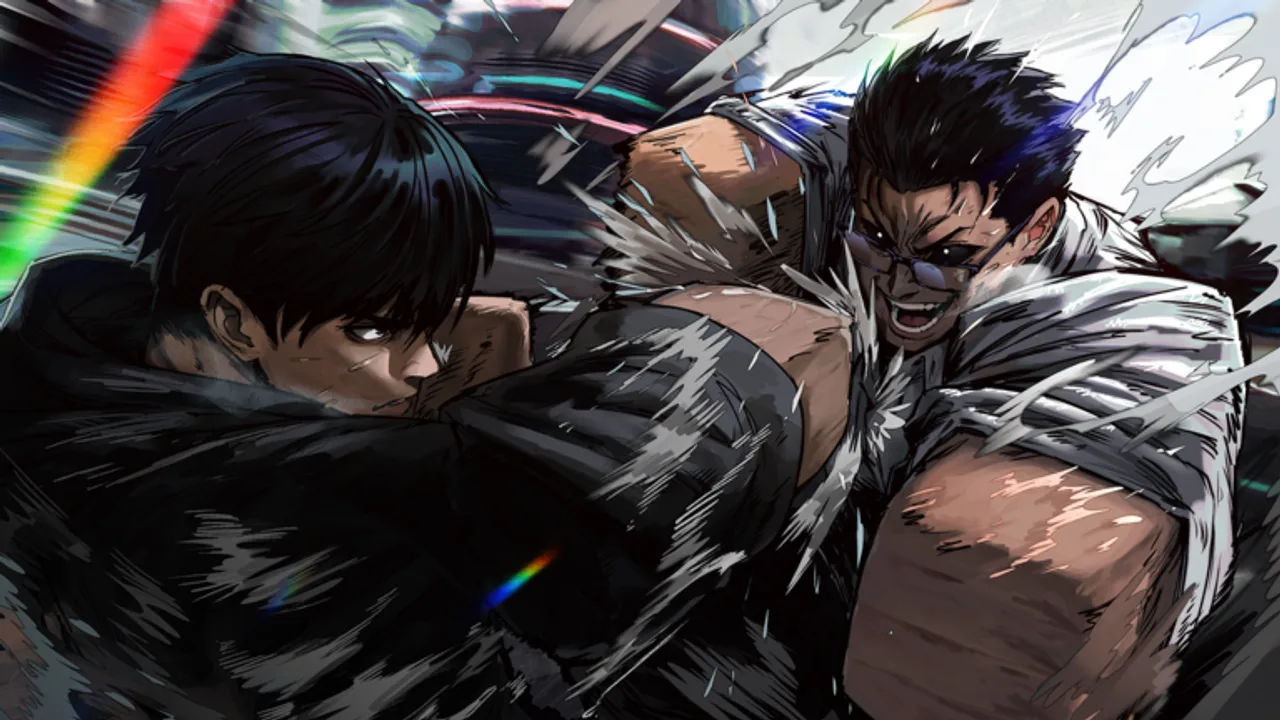
Fight club is where [RELEASE + MOBILE] KEN on Roblox — place ID 100096058035179 — turns stat grinding into proof. Mikami Studios built MS: Ken around gyms, styles, and social conflict; the fight club venue concentrates those systems into structured duels with difficulty tiers, repeat matchmaking, and rewards that reward clean reads over button mashing. This guide explains how to find fight club during heavy early-access development, what easy, medium, and hard modes expect from your build, and how to prep without wasting yen on the wrong style first.
What fight club is — and is not
Fight club is a dedicated PvP space — not a generic open-world brawl zone. Players queue or enter instances to test M1 chains, M2 crits, dash spacing, block (F), counter (M2 while blocking), community-documented grip (B), and parry (F+M2) under real pressure. It is not a substitute for raid coordination or boss mechanics; it is the bridge between solo gym loops and endgame org wars covered in Raids and Organizations.
Expect balance shifts. Early-access patches relocate entrances, rename NPCs, and retune reward tables. Use the embedded walkthrough video on this page for visual routing, then confirm landmarks on a fresh server after major updates.
How to find fight club
Locating fight club confuses newcomers because map layouts move between hotfixes. Reliable approaches:
- Ask your organization — veteran squads teleport recruits to active hubs faster than solo searching
- Follow clustered PvP traffic — red-name players gathering near arena signage or interior teleports often mark the entrance
- Watch for queue NPCs — some patches add explicit fight club attendants with difficulty selectors
- Use the video on this page — step-by-step routing to the current entrance as of community testing
If you still cannot find the door, finish Getting Started map familiarity first. Fight club sits mid-progression; rushing there without Controls fundamentals leads to expensive learning sessions.
Difficulty tiers — easy, medium, hard
Most fight club implementations split skill floors into three bands. Treat labels as guidelines — actual opponent power varies with who is online.
Easy
Easy queues target newer fighters still learning block timing and dash escapes. Opponents may have lower stats or less optimized styles, but AFK partners and smurf accounts happen. Use easy mode to:
- Drill M1 into M2 pressure without org spectators
- Test mobile button layout under stress
- Bank first fight club rewards before risking higher tiers
Do not stay in easy indefinitely. The yen and reputation per minute drops once your parry rate stabilizes.
Medium
Medium is the default proving ground. Expect mixed style ranges — clinch-heavy kits versus dash kites — and players who punish passive blocking with counters. Medium rewards:
- Consistent stamina management (blue bar discipline)
- One mastered fighting style rather than partial unlocks
- Basic matchup knowledge from Fighting Styles Tier List
If medium feels impossible, return to How to Train for stat gaps before blaming lag.
Hard
Hard queues assume org-ready builds: high physical stats, optimized style kits, and players who grip (B) knockdowns reliably. Hard mode is clip territory — win streaks matter for reputation and sometimes tournament scouting. Prep checklist:
- Full food and consumable stack
- Build aligned with PvP Build burst priorities
- Voice comms optional but valuable for calling stamina states
- Mental plan to disengage after three losses (tilt loses more yen than it earns)
Prep before your first match
Minimum fight club checklist:
- Inputs locked in — read Controls for PC vs mobile layouts
- Stats at raid-entry baseline — compare Training Checklist
- One complete style — partial unlocks lose range wars
- Banked yen — rematch fees and consumables add up
- Hunger topped off — yellow bar recovery affects long sets
Optional but strong: spar with orgmates in safe zones before queuing hard. Friendly parry drills beat public humiliation.
Rewards mindset — what fight club actually pays
Fight club rewards split into tangible and intangible buckets:
| Reward type | Examples | Mindset |
|---|---|---|
| Direct | Yen, bounties, event tokens | Reinvest into trainers, not cosmetics |
| Skill | Parry timing, dash reads, grip confirms | Compounds into Boss success |
| Social | Org invites, scrim partners | Accelerates raid scheduling |
| Reputation | Streak visibility, tournament notice | Long-term; do not force it day one |
Chasing clip-worthy hard-mode streaks before medium consistency is a common trap. Fight club pays players who treat losses as data — note which styles beat you and adjust using Tier List comparisons.
Combat patterns that win fight club
RELEASE KEN duels reward spacing and commitment:
- M1 pressure — build guard break opportunities without overextending
- M2 crits — punish whiffs but respect endlag
- Q dash — escape grip setups or close on ranged kits
- F block into M2 counter — high-skill swing fights; practice in medium first
- Grip on knockdowns — finish fights before stamina recovery
Players who only hold block lose to patient counter fighters. Mix defensive and aggressive layers once medium queues feel readable.
Fight club vs bosses and raids
Fight club teaches PvP reads; bosses teach phase telegraphs. Do not assume fight club streaks translate to raid DPS automatically. Boss guides like How to Beat Bosses cover NPC patterns fight club opponents rarely replicate. Use both: fight club for player matchup skill, raids for coordinated mechanics.
Early-access caveats
Mikami Studios ships frequent updates — entrances move, difficulty labels rename, and reward tables rebalance. When your experience differs from this guide:
- Re-watch the embedded location video after patch day
- Read Updates for fight club notes
- Ask org leaders for fresh teleports
Conservative advice beats outdated coordinates that send you to deprecated zones.
Related guides
- How to Beat Bosses — NPC patterns and cheese routes
- Raids and Organizations — group play context
- PvP Build — burst stats and style pairings
- Controls — every input for duel-ready play
- Getting Started — roadmap before arena entry
Frequently Asked Questions
Quick answers for RELEASE KEN players on Roblox.
Where is fight club in RELEASE KEN?
Locations shift during early access. Ask your org for a teleport, follow PvP clusters near arena NPCs, and use the walkthrough video on this page for current map routing.
What is the difference between easy, medium, and hard fight club?
Easy suits new players learning block and dash. Medium expects one mastered style and stable stats. Hard targets org-ready builds with optimized PvP kits from [PvP Build](/players/pvp-build/).
When should I enter fight club?
After [Controls](/guides/controls/) drills, baseline stats from [How to Train](/guides/how-to-train/), and at least one complete fighting style. Start easy before medium or hard.
What rewards does fight club give in MS: Ken?
Typically yen, bounties, and skill growth that feeds boss and raid readiness. Exact tables change per patch — reinvest payouts into trainers.
Why do I keep losing in fight club?
Common causes: low stats, stamina mismanagement, passive blocking, or wrong style range. Compare [Fighting Styles Tier List](/tier-list/fighting-styles/) and drill parries in medium first.
Is fight club the same as open-world PvP?
No. Fight club is a structured arena with difficulty tiers. Open-world red-name combat has different risk and reward — see [Raids and Organizations](/guides/raids-and-organizations/).